What Should Homeowners Know Before Replacing Patchy Grass With New Sod?
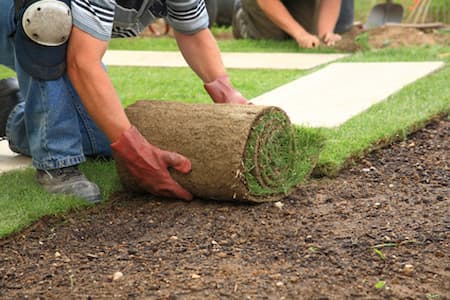
Patchy spots, bare areas, and stubborn weeds can make any yard in Marietta look tired. For many homes, new sod is the fastest path to a thick, even lawn that looks great right away. Before you schedule sod installation, it helps to understand what drives long‑term results in our North Georgia climate. This guide explains the key checks, timing, and choices so you can move forward with confidence and get the lawn your home deserves.
In Marietta, summers are warm and humid, winters are mild, and many properties sit on red clay that drains slowly. Those local factors affect which grass thrives, how crews prepare the site, and how your lawn establishes during the first few weeks. When you know what to look for, you can ask better questions and choose a plan that fits your yard, your lifestyle, and your goals.
Why New Sod Is the Best Fix for Patchy Lawns in Marietta, GA
Seeding has its place, but new sod creates an instant, finished surface that looks uniform from day one. It also reduces the window for weeds to move in while your lawn establishes. Warm‑season grasses common in Cobb County, like Bermuda and Zoysia, spread laterally and knit together quickly when installed as mature sod. That means fewer thin spots and a smoother look across hills, shady edges, and high‑traffic areas by the patio or playset.
New sod can also solve problems that caused the patchiness in the first place. If the plan includes light grading, soil improvement, and better irrigation coverage, your lawn will be set up to thrive instead of slipping back into the same issues. A skilled crew will confirm that water flows away from the house, coverage overlaps at sprinkler heads, and the final grade blends neatly into sidewalks and driveways.
What To Check Before You Replace Grass With Sod
Your lawn is a system. Grass type, sunlight, soil, and foot traffic all work together. A quick walk‑through with a professional helps confirm the right choices before any pallets arrive. Here are items most Marietta homeowners review with their landscaping company:
- Sun and shade patterns across the day, especially near tall pines and hardwoods.
- Soil texture and compaction in red clay zones and any low areas that stay damp.
- Existing irrigation coverage, pressure, and controller programming capability.
- Pet routes, play areas, and mower access that influence wear and tear.
- Edges at walkways, driveways, and landscape beds for clean, lasting seams.
Ask your pro how they evaluate each factor and what they recommend. Choosing a plan that fits your property beats chasing a quick fix every time. A thoughtful approach at the start pays off with a lawn that looks even and stays that way through summer heat and fall leaf drop.
Choosing the Right Sod Variety for North Georgia Lawns
Grass type is the heart of a successful lawn. In the Marietta area, warm‑season choices dominate sunny yards, while cool‑season options fill certain shaded niches. Your installer will confirm the best match for your property and priorities.
Bermuda is popular for full sun and active families. It tolerates heat, recovers well from foot traffic, and creates a fine, dense look. Many homeowners choose it for open front lawns and backyards with sports and pets.
Zoysia offers a lush, carpet‑like feel and can handle moderate shade better than many warm‑season grasses. It is a favorite for homeowners who want a premium appearance and a slower, more refined growth habit that stays tidy between mows.
Tall fescue can be a fit in shadier sections where warm‑season grasses struggle. In our region, fescue prefers cooler months to get established and benefits from filtered light rather than full afternoon sun. Selecting the variety based on real sun conditions in your yard is the single most important choice you will make.
How Timing and Weather Affect Sod Installation
Timing matters. In Marietta, warm‑season sod like Bermuda and Zoysia establishes well from late spring through early fall when soil temperatures support strong rooting. Fescue, if used, typically establishes best in cooler months. Your landscaping partner will factor in recent rainfall, soil moisture, and forecasted highs to pick the right window for your project.
Heat waves, long dry spells, or extended soggy periods are not ideal. A good installer watches the weather, stages delivery so pallets do not sit, and plans the sequence so high‑sun areas get laid and watered promptly. Scheduling your project during a moderate weather stretch improves root take and helps the lawn blend faster.
Local insight: Marietta’s red clay holds water after big summer storms but can bake hard in August. A seasoned crew adjusts soil prep and watering plans to balance both extremes so your new sod roots quickly and evenly.
Aftercare: Protect Your Investment in New Sod
Fresh sod looks finished, yet the roots still need time to bond with the soil beneath. Your installer will set an initial watering and mowing plan based on grass type, season, and site conditions. Expect a short establishment period with limited foot traffic, followed by a gradual return to normal use.
Irrigation should reach every corner of the lawn without pooling in low spots or leaving dry streaks along sunny edges. Your pro may recommend a simple check during the first weeks to confirm coverage and adjust the controller as days get hotter or cooler. A light first mow at the appropriate height, done when the grass is ready, helps the turf grow denser and more uniform.
Fertilization, weed control, and insect monitoring are best handled under a maintenance plan that matches your sod variety. That way, the treatments line up with the growth cycle and local pest pressure. Avoid guessing at products or timing on your own. Coordinated care keeps your new lawn healthy and color‑consistent across the season.
Common Mistakes Marietta Homeowners Can Avoid
Most problem lawns share a few root causes. Knowing them up front helps you and your installer design a plan that lasts.
- Skipping assessment of shade and traffic patterns, which leads to thin areas that never fill in.
- Overlooking compaction in red clay, which can prevent roots from penetrating evenly.
- Choosing a grass that does not match sun exposure, especially along fence lines and under maples or oaks.
- Inconsistent irrigation in the first weeks, which can cause seams to gap or corners to dry.
- Ignoring drainage at the bottom of sloped drives or near downspouts where water can linger after storms.
The fix for these issues starts with good planning. A quality crew in Marietta will evaluate each risk and build the solution into prep, sod choice, and early care so your lawn looks seamless from curb to patio.
What Happens During Professional Sod Installation
Every yard is unique, but a well‑run project follows a clear sequence. Your landscaping company will coordinate site preparation, delivery, and finishing touches so the lawn is safe to walk around and easy to maintain.
Expect careful attention to grade along sidewalks and driveways for a mower‑friendly edge. Seams are staggered and fitted tightly. Sprinkler heads are checked so they sit level with the final lawn height. The crew will clean up soil from hardscapes and leave you with simple next steps so the lawn stays on track.
If you want a deeper look at what is included and how those details come together for a smooth result, review our page on fresh lawn installation. It explains how professional planning and timing help your lawn establish faster and look fuller.
How To Hire a Trusted Sod Installer in Marietta
Experience with local soils and weather patterns is essential. Ask how often the team installs your preferred grass type and in what months. Request recent before‑and‑after photos from nearby neighborhoods like Indian Hills, Whitlock Heights, or near Kennesaw Mountain. Clarify what is included in prep and how the team coordinates with your irrigation system.
Here are smart questions that help you compare options clearly:
- Which sod variety fits my sun, shade, and traffic patterns, and why?
- How will you prepare the soil so roots establish in our red clay?
- What is the typical establishment timeline for this season?
- How will you verify even irrigation coverage after installation?
- What maintenance plan do you recommend for the first months?
If you are ready to transform a thin lawn into a healthy green space, partner with a team that installs sod every week in our area. You can learn more about process and scheduling through our marietta landscaping team and speak with a specialist who will walk your yard and outline the best plan for long‑term results.
Setting Realistic Expectations for Results
Homeowners often ask how fast the lawn will be fully ready for guests and games. The honest answer is that it varies by grass type, season, and how your property holds moisture after rain. In a typical Marietta summer, warm‑season sod usually shows strong rooting and improved color within weeks. Shaded corners may take longer to fill, while sun‑soaked areas near the driveway often knit quickly.
New sod will change slightly in tone as it adjusts to your soil, sun, and maintenance routine. That is normal. With steady care guided by your installer, color and density even out and the entire lawn starts to look like it has been there for years.